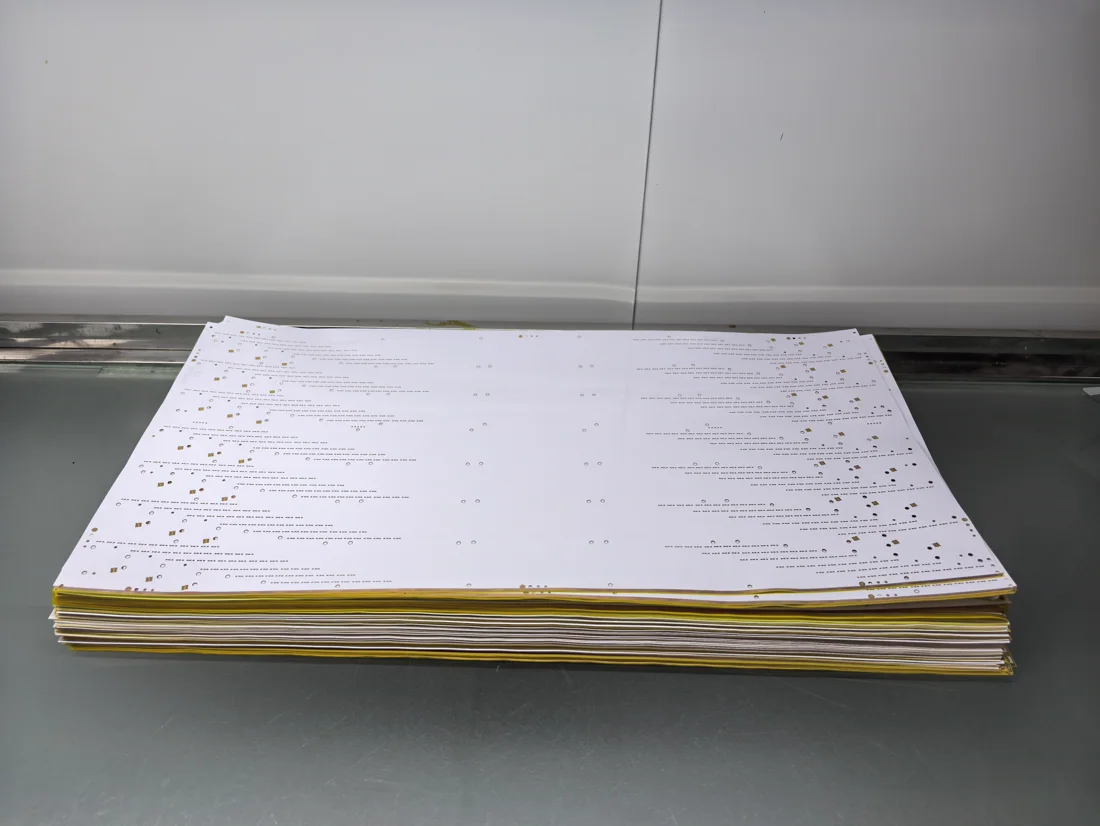
PI Film Thickness vs. Total Stack Thickness: What to Specify
Separate the PI film, adhesive and liner in your material description, and identify which thickness applies to the intended laser operation.
Prepared · Project guidance
Read articleBlog / PI film laser processing
Practical articles on PI film materials, drawing preparation, coverlay openings, inspection and sample planning—to help you prepare a clearer laser-processing project.
6 articles in this collection
Separate the PI film, adhesive and liner in your material description, and identify which thickness applies to the intended laser operation.
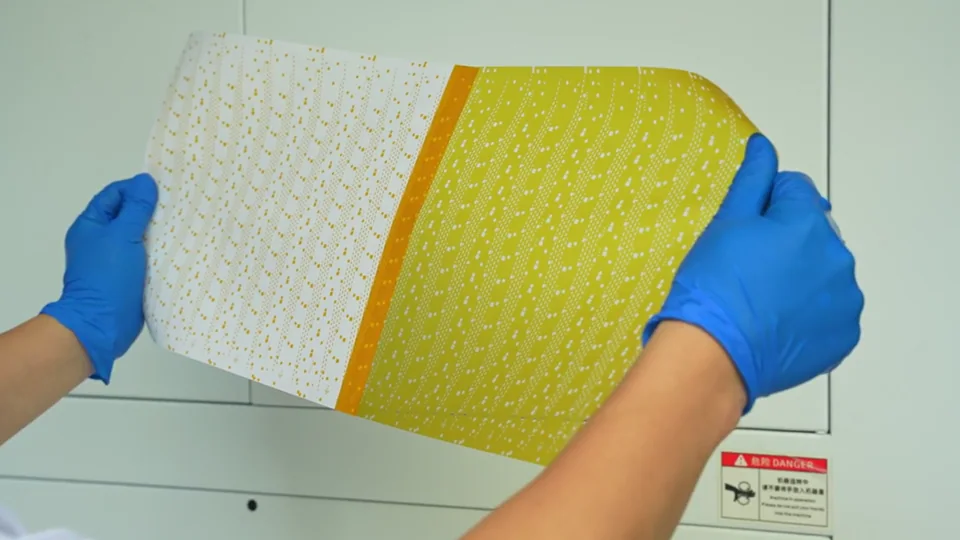
Use a plan view and a layer sketch to distinguish removed shapes, retained regions and the intended condition of underlying material.
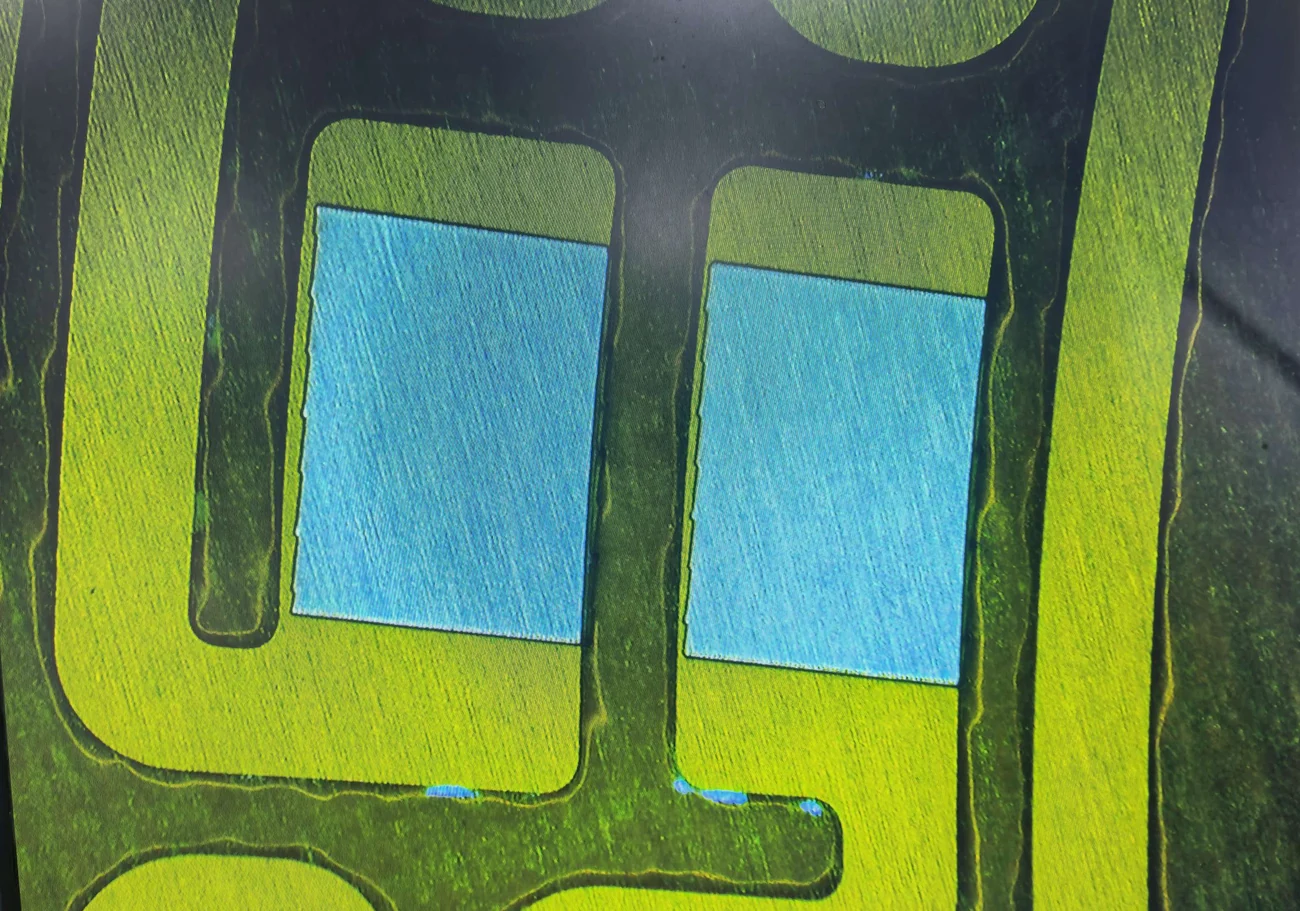
Connect the opening pattern to its drawing direction, locating references and panel arrangement before reviewing coverlay laser processing.
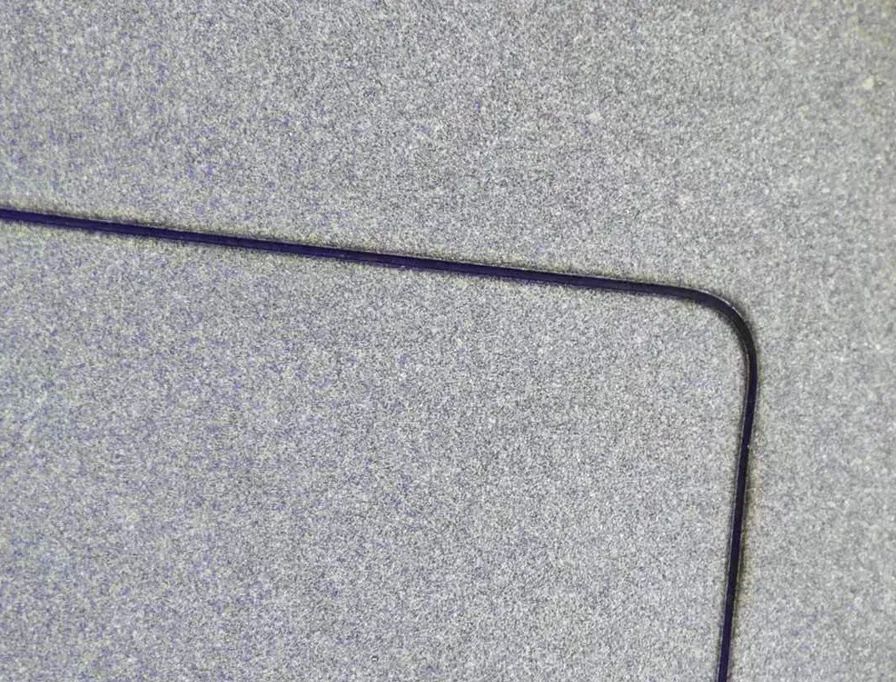
Identify the edge region, observation conditions and acceptance reference so a sample review can answer a defined question.
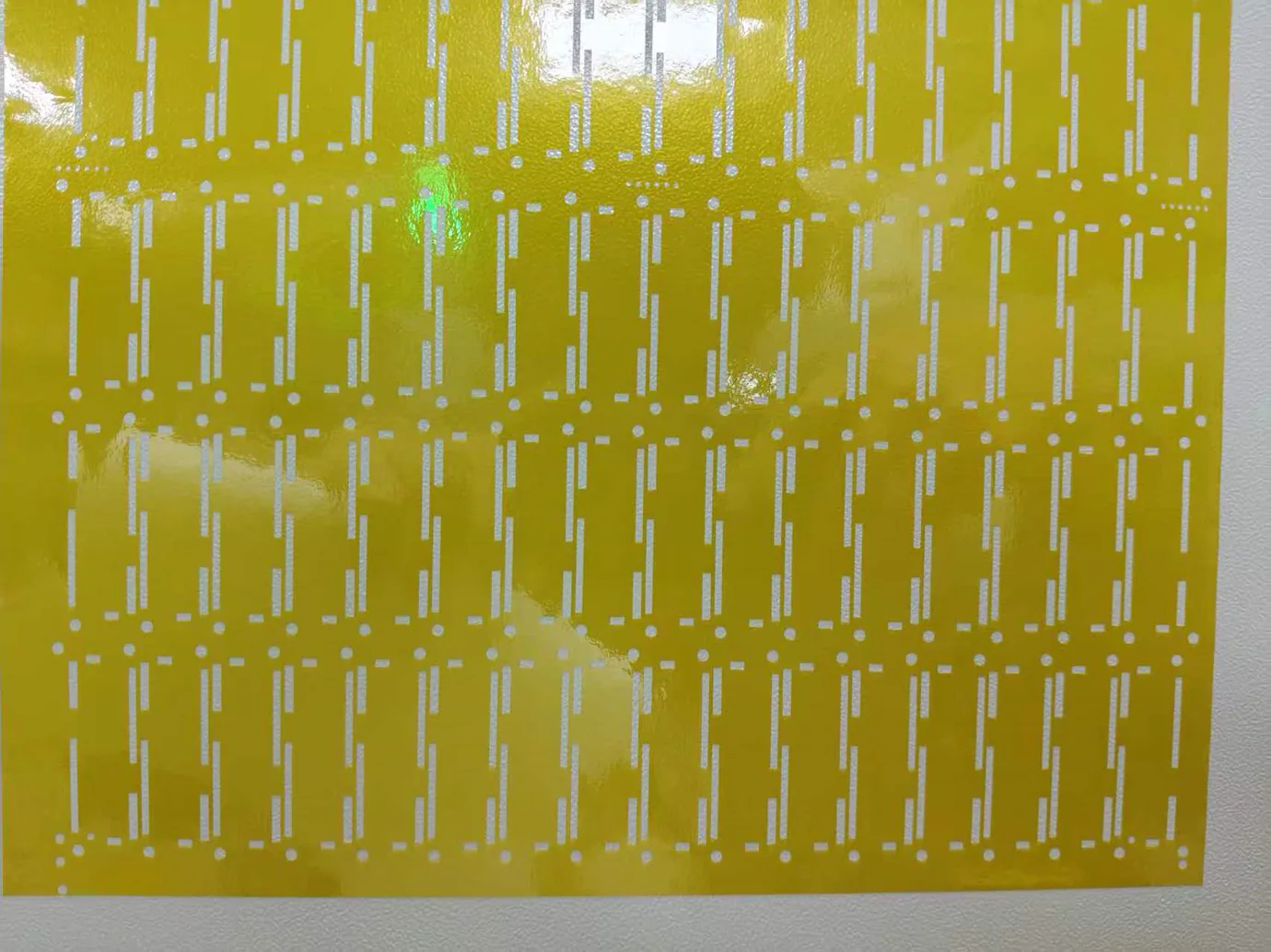
Bring the drawing, incoming material, quantity, inspection and output requirements together before discussing price and timing.
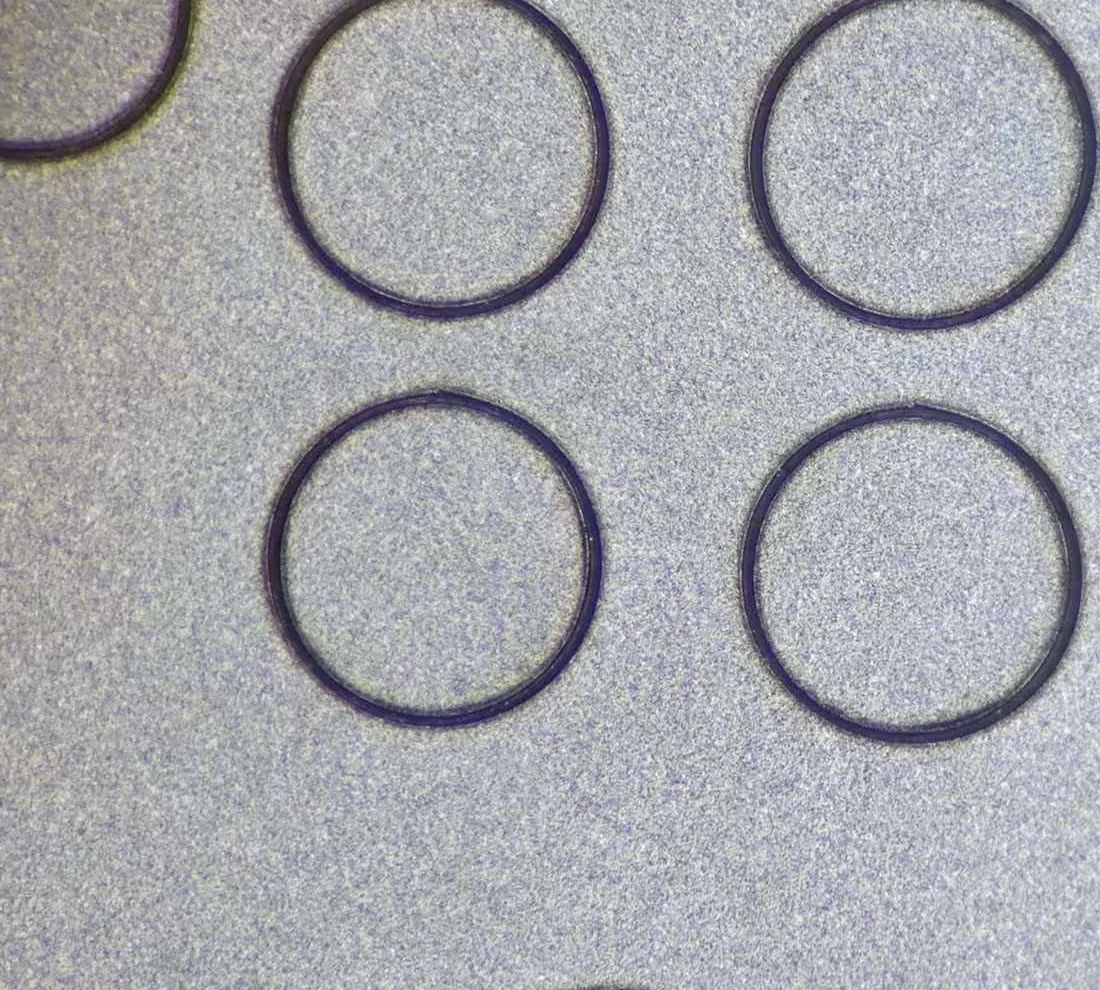
Compare new material, drawing and acceptance requirements with the earlier evaluation, then define the evidence needed for the next step.
Choose the next useful step
Identify the revision, geometry, reference features and the layers involved in the requested cut.
Review the drawing requirementsConnect the material identity, layer sequence and incoming state to a structured project brief.
Use the material templateDefine the question, the available material and the evidence needed for the next decision.
Plan a sample evaluation