Polyimide film / A defined service focus

About LUMENFUTURE

Focused on PI film
laser processing.

Headquartered in Singapore, LUMENFUTURE provides PI film laser processing for electronics manufacturing, flexible circuits and industrial parts. Our Singapore LUMENFUTURE, Thailand BESCHOO and Vietnam LKCNC factories all accept processing work. Customers can discuss drawings, incoming film, samples and batch requirements directly with their chosen factory.

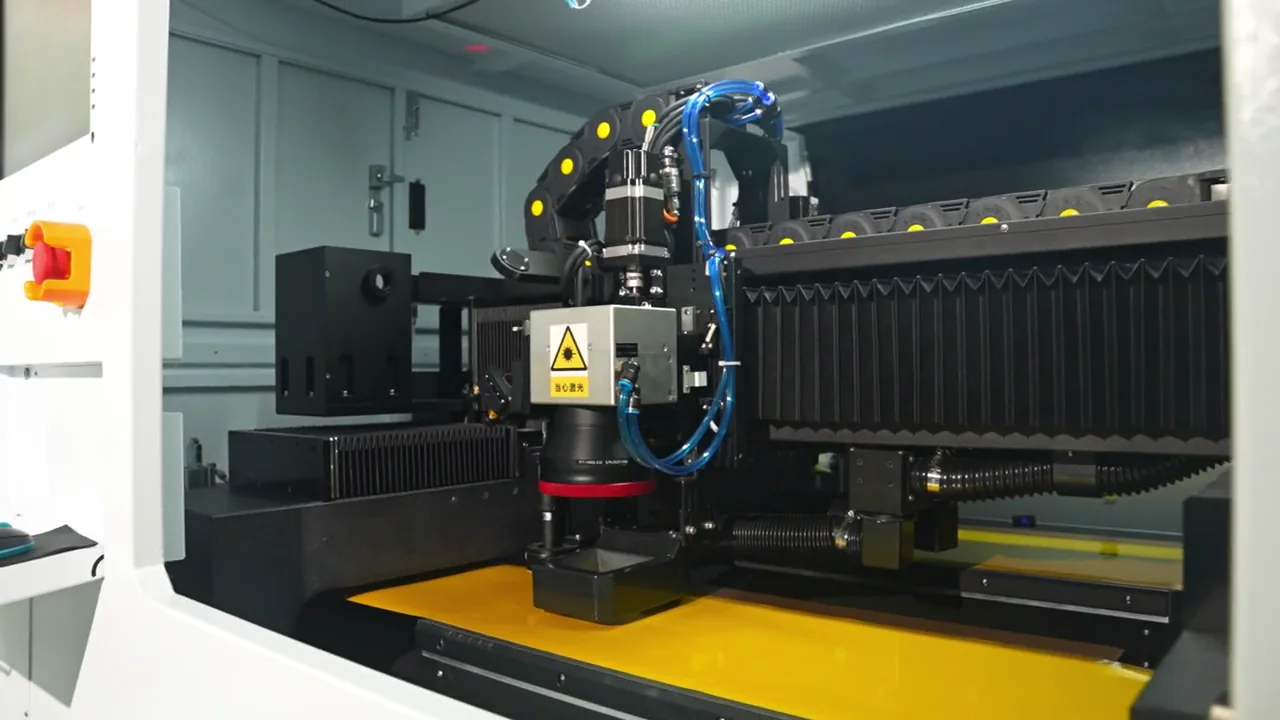
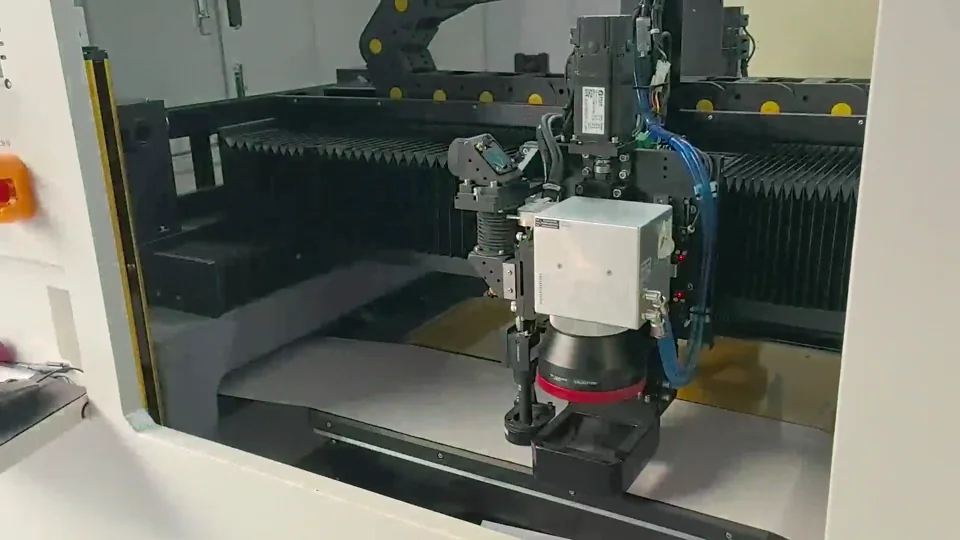
Amber sheet beneath the laser head on the processing table.

01 / Company profile & service direction

A focused service
for custom film parts.

For PI film customers, this technical background is applied to the material, drawing and cut. We process yellow (amber), white and black film into flat profiles, slots and coverlay windows, reviewing the layer stack, registration and cut-edge requirements. Project discussions connect the part's use with incoming material, sample evaluation and delivery requirements.

We work with procurement, engineering, R&D and production teams on PI film parts for flexible circuits, electronic components, insulation and other industrial assemblies. The part's function, material stack and acceptance criteria guide the technical discussion.

Laser equipment brand and group background

Read the complete company profile

02 / What we focus on

Defined film geometry.
Two connected services.

Choose the service that best describes the work. A project can include both an outer profile and internal openings; identify the features and layers together.

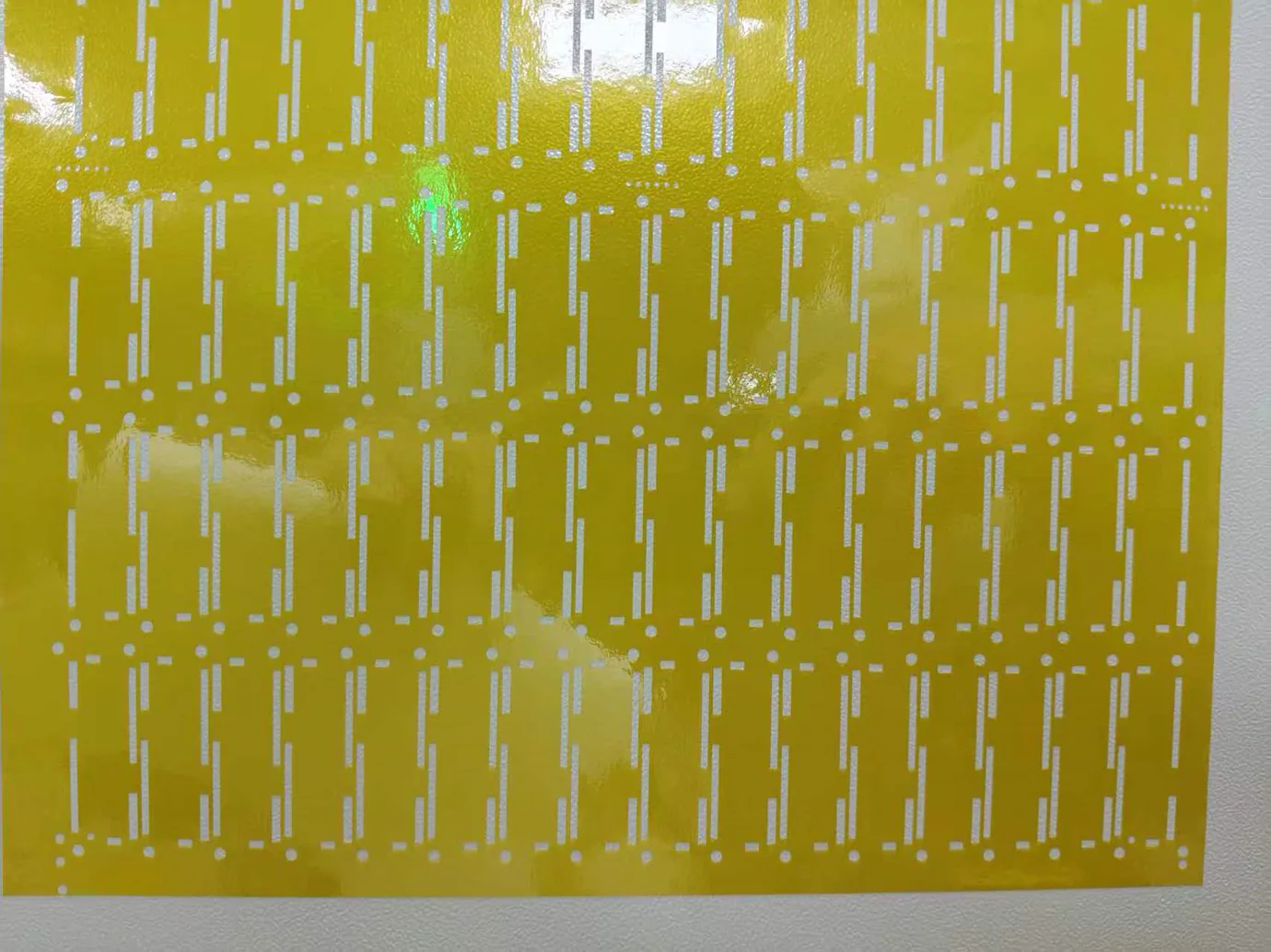
Rows of narrow, stepped profiles repeated across an amber film sheet.
01 / PROFILES & INTERNAL FEATURES

PI film
laser cutting

Custom outlines, holes, slots and other defined features in a film part. Provide the geometry, incoming construction and required condition of the finished piece.

Explore PI film laser cutting
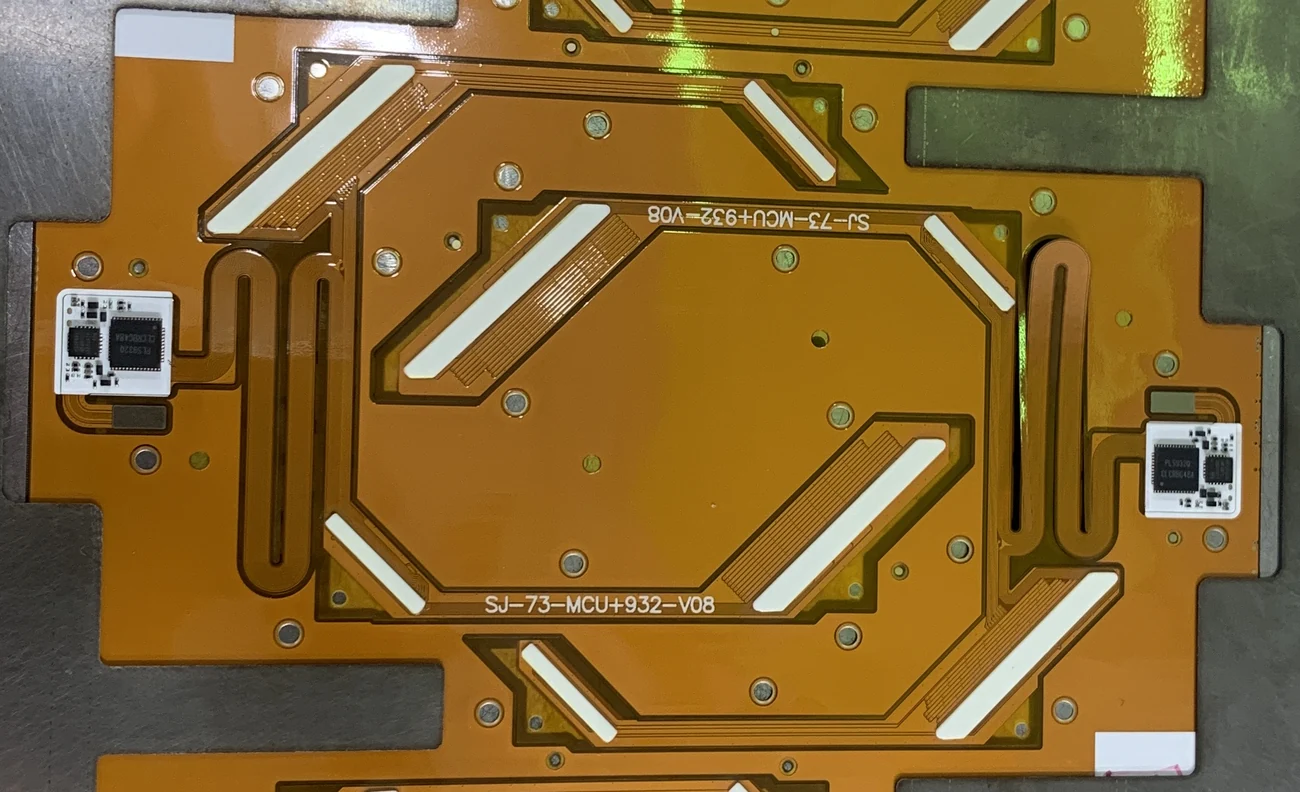
Amber panel sample secured on a metal fixture.
02 / WINDOWS & REGISTRATION

FPC coverlay
laser openings

Opening patterns, locating features and related profiles for coverlay processing. Connect the approved window geometry to the layer stack and registration references.

Explore coverlay openings
OUR SERVICE SCOPE

Our scope is laser processing. Film manufacture, coating, lamination, circuit manufacture and final assembly are not included.

03 / The part within the assembly

Small film components.
Specific project requirements.

The same material family can serve very different assemblies. Start with the function of your part, then define the laser geometry and the requirements that belong to the processing step.

Flexible heater assemblies

PI film-layer profiles, lead exits and locating features within a separately defined heater assembly.

Explore heater-film projects

04 / A practical project approach

Clear requirements.
Clear project decisions.

A workable brief brings the geometry, material and acceptance criteria together. Use each review to establish the next decision and the information it depends on.

  1. 01

    Define
    the work.

    Identify the drawing revision, incoming material, regions to cut or protect and the required output arrangement.

  2. 02

    Resolve
    the unknowns.

    Mark missing information and decide whether a sample evaluation is needed for the material, feature or retained-layer requirement.

  3. 03

    Agree
    acceptance.

    Connect critical dimensions, positions and edge conditions to defined checking methods, references and inspection scope.

  4. 04

    Confirm
    the next stage.

    Agree the applicable sample, processing, record and delivery arrangements before moving to the next project stage.

05 / Process & acceptance references

Understand the process
behind your part.

Equipment references explain the processing approach. Inspection requirements explain how a result will be assessed. Both need to connect to the actual material and drawing.

White film at the laser station
Manufacturer’s equipment reference

Equipment & process

Compare the equipment references with your material, positioning needs and requested operation. Confirm finished-part results through project evaluation.

  • Describe the incoming sheet, panel or roll format.
  • Identify locating references and protected regions.
  • Connect the intended cut to the actual layer stack.
Explore equipment & process references
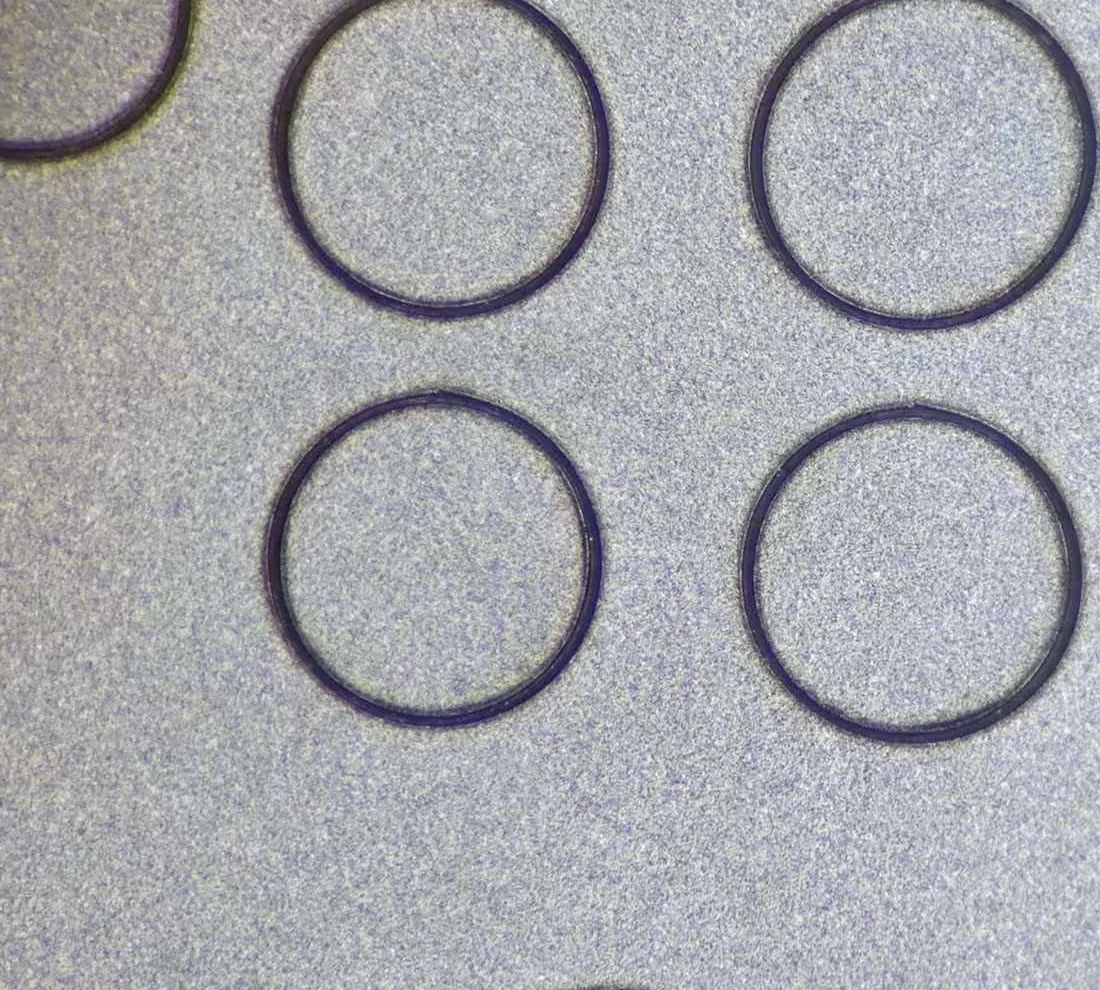
Close-up of circular outlines on a film sample.

Quality & inspection

Define what matters to the part: dimensions, relative positions, cut completion, edge appearance or the state of a retained layer. Agree the conditions and scope of checking so the result can be understood against the same references.

  • Identify critical features and acceptance criteria.
  • State relevant support and observation conditions.
  • Confirm checking scope and requested record contents.
Explore quality & inspection

06 / Our market direction

Three factories for direct project discussions

Singapore-based LUMENFUTURE, together with our BESCHOO factory in Thailand and LKCNC factory in Vietnam, offers drawing-based cutting of yellow, white and black PI film and coverlay openings for Southeast Asia.

Keep document versions, quantities and requested dates explicit. Separate the required arrival date from the agreed processing and dispatch schedule.

Singapore · LUMENFUTUREThailand · BESCHOOVietnam · LKCNC
Explore Southeast Asia project arrangements

Destination, transport method, costs and responsibilities are agreed for the actual shipment.

01

Documents that align.

State the units and revision, explain the role of each file and identify what changed. Keep the drawing and material references connected.

02

Material and sample arrangements.

Describe the material available and the question an evaluation needs to resolve. Confirm sample quantity and receiving details before dispatch.

03

Quantities, output and timing.

Separate sample and order quantities. Describe the output, identification, packaging, destination and the date needed for your next project stage.

PI FILM LASER PROCESSING

Explore the website

Find the information for your PI film project.