What Information Shapes a PI Film Laser-Cutting Quotation?
Bring the drawing, incoming material, quantity, inspection and output requirements together before discussing price and timing.
THE PRACTICAL ANSWER
A quotation needs a defined processing scope. Provide the part geometry, incoming construction, sample and order quantities, acceptance requirements and required output. Mark unresolved items so any assumptions or evaluation work can be discussed explicitly.
Describe the work being requested
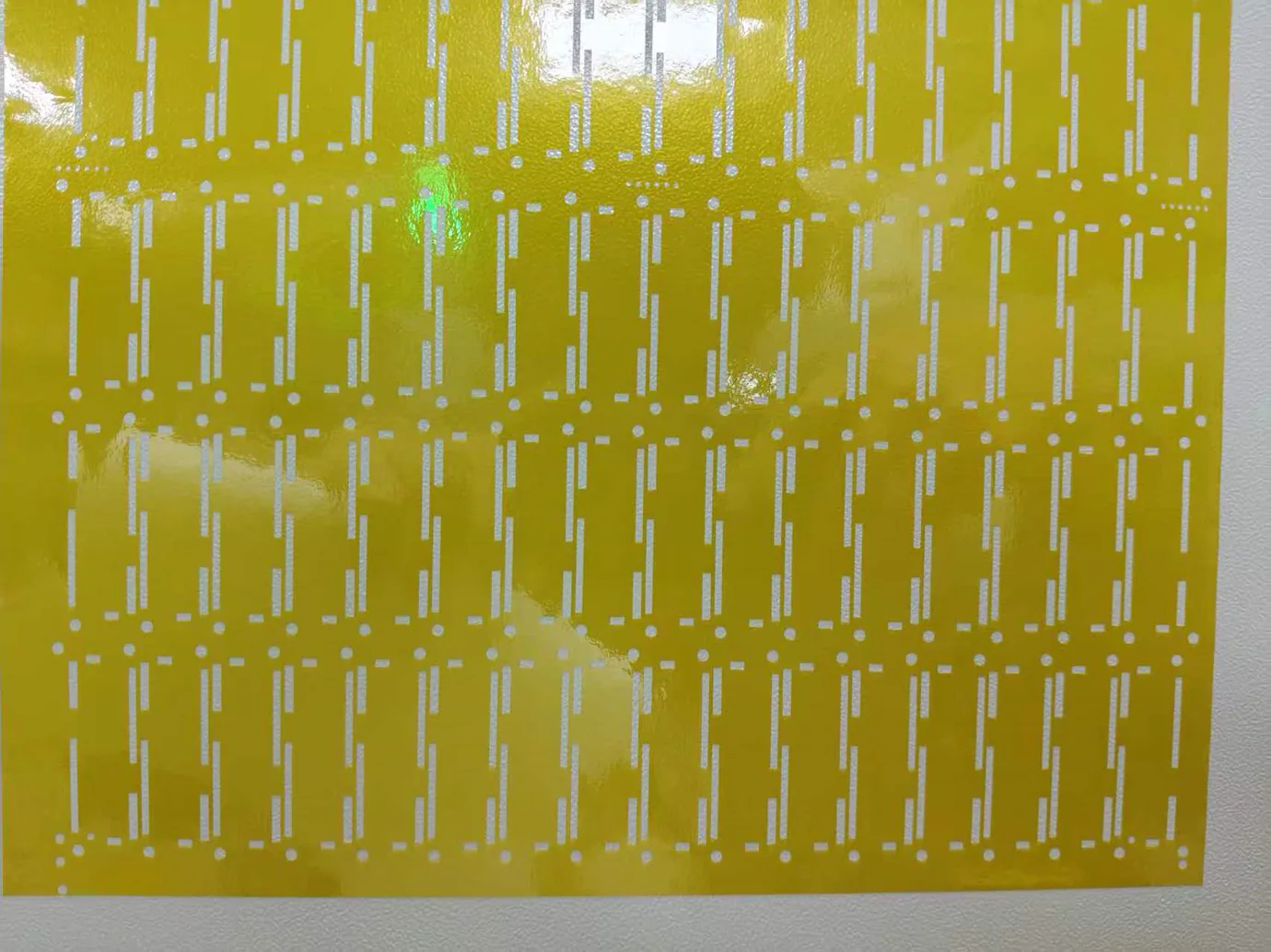
Begin with the part and the laser operation. Identify the profile, openings or other features to be reviewed, and distinguish a physical sample evaluation from a proposed production order. Explain whether you need individual parts or a retained arrangement after processing.
A drawing file alone may not describe every deliverable. The material can arrive in a particular format, certain features may need extra checking, and the output may need specific identification or protection. Include those requirements in the same brief so the discussion refers to one consistent scope.
Prepare six groups of quotation information
| Input | Useful details | Open point to flag |
|---|---|---|
| Geometry | Revision, units, profiles, openings and critical features | Conflicting files or incomplete dimensions. |
| Material | Grade, layer stack, thicknesses and incoming format | Unknown layers or supply arrangements. |
| Quantities | Sample quantity, order quantity and repeat demand if known | Quantity basis or required delivery format. |
| Acceptance | Critical requirements, checking scope and requested records | Criteria or methods not yet agreed. |
| Output | Individual parts, retained layout, identification and packaging | Removed-piece or carrier handling. |
| Timing / transport | Preferred date and destination if shipment is relevant | Material readiness or transport responsibilities. |
Price and timing follow review of the actual project scope.
Separate a sample request from an order quantity
State the quantity needed for the current step and the quantity being considered later. If repeat demand is uncertain, describe it as an estimate or an open item. Use a clear unit basis, such as individual parts, sheets or panels, and identify how many parts a panel represents where relevant.
Also clarify material supply. Identify who provides it, its available amount and its incoming format. If actual stock is not ready, say so. The reviewer can then distinguish a drawing discussion from a trial that can proceed once suitable material and arrangements are agreed.
Show assumptions instead of hiding missing information
A useful request can still contain unknowns. The important point is to identify them. This illustrative comparison shows how to improve a short enquiry without inventing specifications.
| Initial message | More reviewable version |
|---|---|
| “Please quote this shape.” | “Please review drawing [ID / revision] for [requested laser operation]. Critical requirements are identified in [reference].” |
| “Material is PI.” | “Known grade and layer information: [details]. Adhesive / liner identity: to be confirmed.” |
| “We need samples and then production.” | “Current sample quantity: [amount]. Later order quantity: [amount or estimate]. Material availability: [state].” |
| “Delivery as soon as possible.” | “Preferred date: [date]. Please review feasibility after confirming the open technical and material items.” |
Compare quotations against the same scope
When reviewing a quotation, check that the drawing revision, material supply, quantity basis and output arrangement match your request. Identify what inspection or records are included, which items remain conditional and what would require a further review.
A change to the drawing, material or requested checking can change the work being discussed. Keep a written list of changes so an earlier quotation is not treated as covering an updated task without confirmation. Confirm commercial and dispatch arrangements before sending material or proceeding with the agreed work.
Use the enquiry checklist as a handover
- Connect the part, drawing and material to the same project reference.
- State sample and later quantities separately.
- List critical requirements, records and output handling.
- Share preferred timing and relevant delivery information.
- Identify unknowns and the decision you need from the review.
The project enquiry checklist can collect these notes and bring them into a local enquiry summary. Read quotation and schedule planning for the wider project sequence.
Turn this into a preparation note.
Record known details and mark open questions. Copy the note or link it to your enquiry before leaving; edits are not saved after a reload.
Prepare a complete project enquiry.
Connect this topic to the available material, drawing and requirements for your part.
References and scope
Examples support project preparation. Agree acceptance criteria for your actual part.
Further project guidance: Prepare a complete project enquiry. Material manufacture, coating, lamination, circuit fabrication and final assembly are outside the laser-processing service.