01 / AS SUPPLIED
What arrives?
Identify every supplied layer, including any liner, carrier or protective material.
Resources / Material information guide
Prepare material information for PI film laser processing. Identify the product, describe every layer and clarify the condition at the time of the laser operation.
Start with the labels and documents you have. Keep unknown details visible so they can be reviewed.
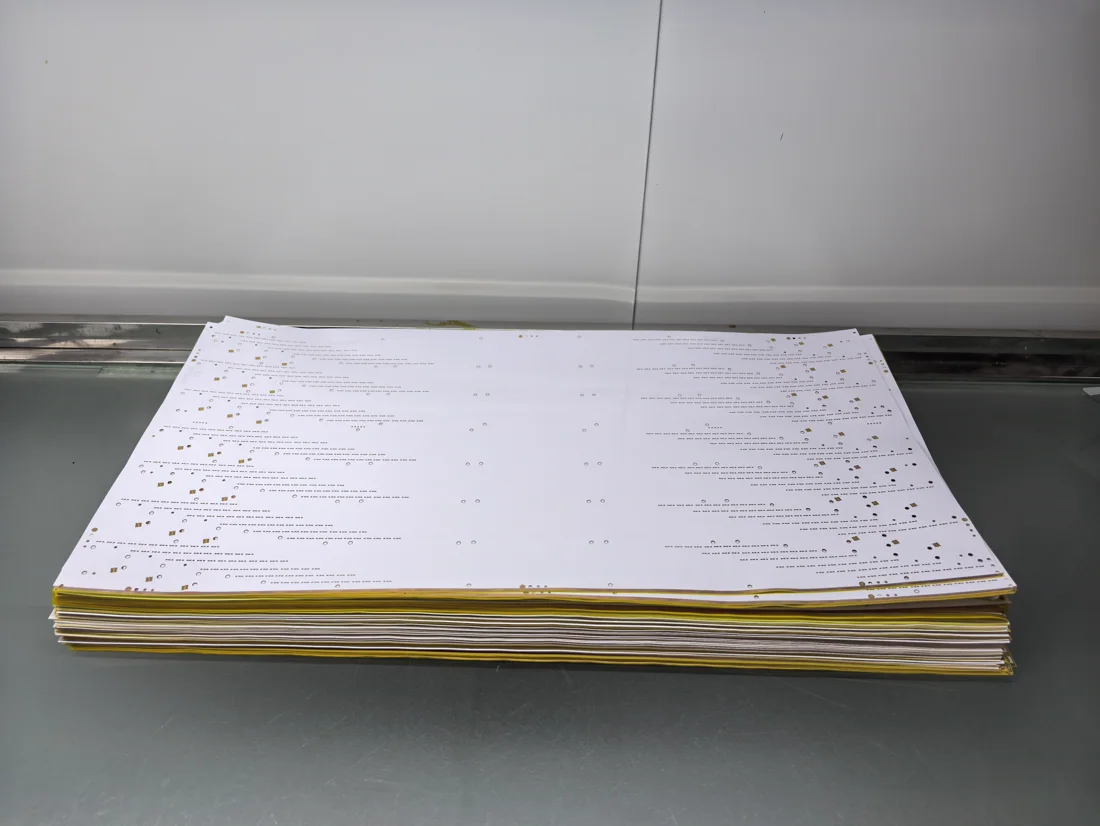
01 / Identify the actual material
A generic name such as “PI film” describes a family of materials. A useful processing discussion needs the actual product, its construction and the information still to be confirmed.
| Information | What to record | Where to look |
|---|---|---|
| Product identity | Manufacturer, full grade or product code, including relevant suffixes. | Original packaging, product label or matching supplier documents. |
| Material construction | The actual PI, adhesive, liner, coating or other layers. | Construction description and supplier confirmation. |
| Thickness definitions | Each known layer value, its unit and what any total includes. | Product data, specifications or an identified measurement record. |
| Incoming form | Roll, sheet, pre-cut piece, panel or material attached to another workpiece. | Actual material, packaging details and reference photographs. |
| Processing request | Regions and layers to cut, retain or protect. | Current drawing and project requirements. |
| Reference relationship | Which documents and samples correspond to this product and project. | Product code, document revision, sample ID and batch reference where available. |
Record manufacturer and supplier separately. If only the supplier is known, keep the manufacturer as “to be confirmed” rather than treating the two names as interchangeable.
02 / Evidence before assumptions
Keep the source beside the information you extract. A product data sheet, a sample photograph and a measurement record answer different questions; each needs to match the material under discussion.
| Source | What it can help identify | What to check |
|---|---|---|
| Packaging or core label | Product code, batch reference, dimensions and other printed identifiers. | Whether the label belongs to the actual material being discussed. |
| Technical data sheet (TDS) | Product construction and stated nominal or typical data. | Exact product, document version, field definitions and the basis of the values. |
| Product specification or supplier confirmation | The specific requirements or supply information stated in that document. | Its date, scope and relationship to this product and delivery. |
| Batch document or COA, if available | The batch attributes and results actually listed. | Batch identity, test scope, methods and conditions; do not assume unlisted checks. |
| Photograph | Appearance, visible labels, reference faces and incoming format. | A photograph alone does not establish composition, adhesive chemistry or exact thickness. |
| Customer measurement record | A result for the identified sample under the recorded conditions. | What was measured, sample identity, method, units and relevant conditions. |
Reading example / manufacturer information
The 3M 5413 technical data sheet distinguishes its PI backing, adhesive and total tape thickness, and identifies typical data separately from product specification information. This is an example of how to read material information, not a statement of our processing capability or supplied stock.
03 / A source for every known detail
Begin at a named face, such as Side A, and list layers in order. Use the same references in your material description and drawing. If one layer is unidentified, record its position and what is known rather than guessing its composition.
| Record field | Information to include |
|---|---|
| Layer position & drawing reference | L1, L2 and further positions from a named face, plus the matching drawing label. |
| Material / product reference | Actual material name, manufacturer or product reference; use “unidentified layer” when needed. |
| Function | PI film, adhesive, release layer, carrier, coating or another stated role. |
| Thickness, unit & basis | Record the original value and unit, and distinguish nominal, typical and measured values. |
| Information source | Document title, revision, page, label or measurement reference. |
| Presence during processing | Whether the layer is present when the laser operation begins, or a preparation step remains to be agreed. |
| Requested treatment | Cut through, retain, protect or review the intended treatment. |
| Unresolved questions | Unknown identity, conflicting values or a retained condition requiring evaluation. |
Materials and process records
For example, write “film: 12.5 μm; adhesive: 15 μm; film + adhesive: 27.5 μm”, or “film: 25 μm; adhesive: 25 μm; film + adhesive: 50 μm”. State any liner, carrier or coating separately, and identify which layers are present during cutting.
| Film layer (μm) | Adhesive (μm) | Film + adhesive (μm) |
|---|---|---|
| 12.5 | 15 | 27.5 |
| 25 | 25 | 50 |
04 / Define the condition at each stage
Describe the material as supplied, the construction present during the laser operation and the requested output separately. The same project may need different descriptions at these stages.
Identify every supplied layer, including any liner, carrier or protective material.
State the layers present when the laser operation begins. Record any proposed preparation step and who performs it.
Define cut features, retained layers or connections, separated pieces and handling requirements.
Removing a liner before processing and retaining it after processing are different requests. The diagrams illustrate that distinction; they do not demonstrate a removal service or successful layer-selective processing.
05 / Define the value before comparing it
A thickness number is useful when its material scope, units and source are clear. Distinguish the PI layer from adhesive, liner and any other layers, and distinguish stated data from a measured sample.
| Question | A useful record |
|---|---|
| Which material does the value describe? | PI film, adhesive, another individual layer or an explicitly defined combination. |
| Does the total include a liner or carrier? | Name all included layers and distinguish the supplied stack from the processing stack. |
| What is the basis of the number? | Supplier nominal value, typical data, customer measurement or another identified record. |
| What units and conditions apply? | Keep the original unit and record the measurement basis where applicable. |
| Do sources disagree? | Retain each value with its source and scope, then ask for clarification rather than silently averaging them. |
Do not automatically infer adhesive thickness by subtracting two values whose definitions or measurement conditions are unconfirmed. Record the difference as a question and retain the original references.
Read about film and total stack thickness06 / Connect documents to the workpiece
A sheet can be a separate film or already attached to a circuit or component. Describe both the physical form and the actual workpiece state, including the faces and marks used to interpret its orientation.
| Incoming form | Useful information |
|---|---|
| Sheets | Length and width, usable area, quantity, reference faces and locating marks. |
| Rolls | Width, available quantity, winding direction, relevant core information and protective layers. |
| Pre-cut pieces or panels | Existing profiles, arrangement, orientation, locating features and the counting unit. |
| Attached material | Complete workpiece construction, existing circuit or components, target area and protected regions. |
| Material not yet available | Known product code, available supplier information and expected incoming condition. |
Add sample IDs, batch references, supplier handling instructions and known condition changes where available and relevant. Link them to the current product and drawing.
Record who supplies the material and what sample format is available. Incoming dimensions, handling and process route require review; a roll description does not confirm roll-to-roll capability.
07 / Keep the next step practical
You can begin with an incomplete brief. Separate known facts from assumptions and state the question you need help resolving.
| What you currently know | The next useful action |
|---|---|
| Only a generic “PI” or “Kapton” description | Look for a full product reference, original label or supplier information. |
| Total thickness, but not the layers | Record the number and its source; ask which layers are included. |
| Adhesive type is unknown | Mark it as unknown and request the matching product information. Do not infer the chemistry from the intended use. |
| A small sample without its packaging | Give the sample an ID, record its known origin and condition, and discuss the evaluation scope. |
| A photograph and document appear inconsistent | Keep both references and explain the relationship and the specific question. |
| The supplier, product or construction changed | List the differences from the earlier material before relying on an existing evaluation. |
08 / Organize the evidence
Record the product, add the actual layers and keep source references beside their values. Copy the complete brief or link it to the enquiry below without replacing your contact details or project description.
Your working material record
Status labels describe preparation only. They do not identify a material or approve processing. Entries stay in this page and are not saved after a reload.
0 of 7 topics reviewed.
Connect the material to the part and the exact product you are discussing.
Add only the layers present in your actual construction. Keep unidentified layers in their correct position.
L1, L2 and subsequent numbers describe position in this brief. Keep the separate drawing-reference field so a change in order does not erase the drawing identity. Add or remove rows to match the actual construction.
Values are recorded as entered. This tool does not identify materials, add thicknesses, assess feasibility or approve a processing request.
Separate what is supplied, what is present during processing and the required output.
Name the physical faces and reference marks used to interpret the material.
Describe the physical form separately from whether the film is attached to another workpiece.
Keep document versions and sample references linked to the actual material.
Define the intended operation and the information or evidence still needed.
All seven topics and every current layer entry are included, even when their sections are collapsed.
09 / Before you share the material brief
It is a useful starting description, but it does not identify a specific grade or full construction. Provide the manufacturer, complete product code and available layer and thickness information. Keep unknown details visible.
Record that name exactly and identify the supplier separately from the manufacturer. Add the available label or document reference and ask the supplier to confirm the matching manufacturer and product code. Do not assume the seller is the manufacturer.
State what each value includes. Record the film and other known layer values separately, and define the layers included in any reported total. Also say whether the liner is present during the laser operation.
Mark it as unknown and look for the document matching the actual product. A colour, application description or general “PI tape” name does not establish the adhesive chemistry. Explain the unresolved question in the brief.
A photograph can explain visible labels, appearance and incoming state. It does not independently establish every layer, composition or precise thickness. Use it alongside product information and an identified sample where available.
Yes. Start with the product references and documents available, and state that the physical material is not yet available. Later review should connect those references to the actual incoming material.
Describe the liner, its thickness and the condition that needs to remain. Retention is a requirement to evaluate on the actual construction and geometry; a layer sketch alone does not establish that it can be achieved.
Report relevant changes to manufacturer, product code, layer construction, thickness definition, incoming state and project requirements. Compare them with the earlier sample and records before treating previous findings as applicable.